inquiry
залишити повідомлення
Якщо ви зацікавлені в наших продуктах і хочете дізнатися більше, залиште повідомлення тут, і ми відповімо вам, як тільки зможемо.
подати
Компанія з технології захисту зварювання Bengbu Longkai, ТОВ
додому

папр-респіраторна маска

папр-респіраторна маска

  • Demolition Work: Choosing the Right PAPR
    Demolition Work: Choosing the Right PAPR
    Jan 20, 2026
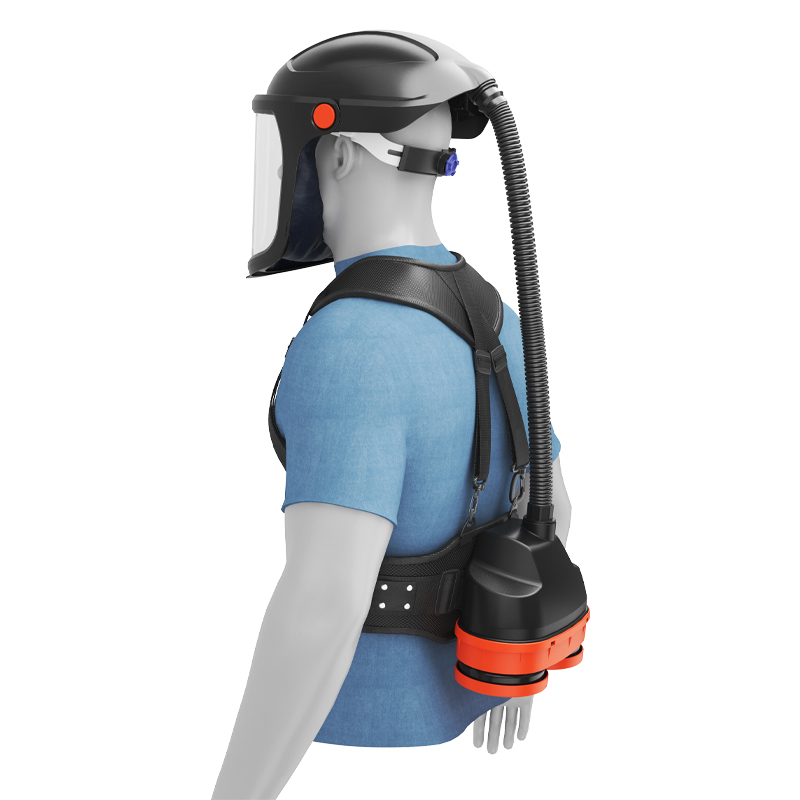
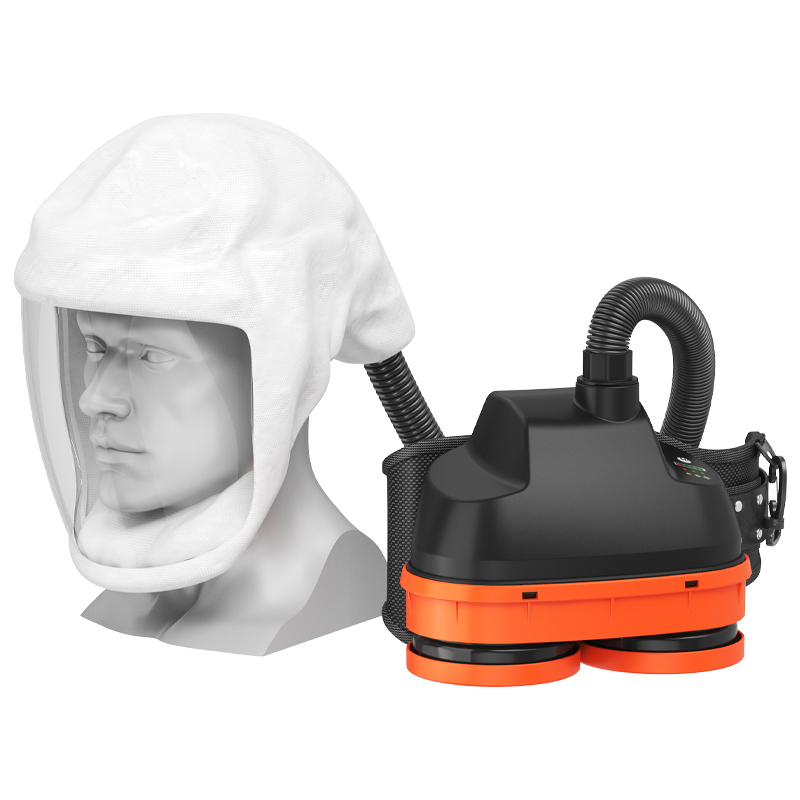
      Demolition work involves complex and variable environments. From breaking down walls of old buildings to dismantling industrial facilities, pollutants such as dust, harmful gases, and volatile organic compounds (VOCs) are pervasive, placing extremely high demands on respiratory protection for workers. battery powered respirator have become core protective equipment in demolition work due to their advantages of positive pressure protection and low breathing load. However, not all PAPRs are suitable for all scenarios; selecting the right type is essential to build a solid line of defense for respiratory safety. Compared with traditional negative-pressure respirators, PAPRs actively deliver air through an electric fan, which not only reduces breathing fatigue during high-intensity operations but also prevents pollutant leakage through the positive pressure environment inside the mask, significantly improving protection reliability.   For general dust-generating demolition operations, particulate-filtering PAPRs are preferred. Such operations commonly involve the demolition of concrete, masonry, wood, and other components, with respirable dust—especially PM2.5 fine particles—as the primary pollutant. Long-term inhalation can easily induce pneumoconiosis. When selecting a model, high-efficiency particulate filters should be used, and the mask can be chosen based on operational flexibility needs. For open-air scenarios such as ordinary wall breaking and floor demolition, air-fed hood-type PAPRs are more suitable. They do not require a facial fit test, offer strong adaptability, and can also provide head impact protection. For narrow workspaces with extremely high dust concentrations, it is recommended to use tight-fitting full-face PAPRs, which have a minimum air flow rate of no less than 95L/min, forming a tight seal on the face to prevent dust from seeping through gaps.   For demolition operations involving harmful gases, combined-filtering PAPRs are required. During the demolition of old buildings, volatile organic compounds such as formaldehyde and benzene are emitted from paints and coatings, while the dismantling of industrial facilities may leave toxic gases such as ammonia and chlorine. In such cases, a single particulate-filtering PAPR cannot meet protection needs. Dual-filter elements (particulate + gas/vapor) should be used, with precise selection based on pollutant types: activated carbon filter cartridges for organic vapors, and chemical adsorption filter elements for acid gases. For these scenarios, positive-pressure tight-fitting PAPRs are preferred. Combined with forced air supply, they not only effectively filter harmful gases but also reduce pollutant residue inside the mask through continuous air supply, while avoiding poisoning risks caused by mask leakage.   Special scenarios require targeted selection of dedicated loose fitting powered air purifying respirators. Demolishing asbestos-containing components is a high-risk operation—once inhaled, asbestos fibers cause irreversible lung damage. PAPRs complying with asbestos protection standards should be used, paired with high-efficiency HEPA filters. Additionally, hood-type designs must be adopted to avoid fiber leakage due to improper wearing of tight-fitting masks. Meanwhile, the hood should be used with chemical protective clothing to form full-body protection. For demolition in confined spaces such as basements and pipe shafts, oxygen levels must first be tested. If the oxygen concentration is not less than 19% (non-IDLH environment), portable positive-pressure PAPRs can be used with forced ventilation systems. If there is a risk of oxygen deficiency, supplied-air respirators must be used instead of relying on PAPRs.   PAPR selection must balance compliance with standards and operational practicality.  Adjustments should also be made based on labor intensity: most demolition work is moderate to high intensity, so Powered Air Purifying Respirator TH3 are more effective in reducing breathing load, preventing workers from removing protective equipment due to fatigue. Battery life must match operation duration—for long-term outdoor operations, replaceable battery models are recommended to ensure uninterrupted protection. Furthermore, filter elements must be replaced strictly on schedule: gas filter cartridges should be replaced within 6 months of opening, or immediately if odors occur or resistance increases, to avoid protection failure.   Finally, it should be noted that PAPRs are not universal protective equipment, and their use must be based on a comprehensive risk assessment. Before demolition work, on-site testing should be conducted to identify pollutant types, concentrations, and environmental characteristics, followed by selecting the appropriate PAPR type for the scenario.  Only by selecting and using PAPRs correctly can we build a reliable barrier for respiratory health in complex demolition work, balancing operational efficiency and safety protection.If you want know more, please click www.newairsafety.com.
    ЧИТАТИ БІЛЬШЕ
  • PAPR Air Inlet Modes: Practical Differences & Selection Logic
    PAPR Air Inlet Modes: Practical Differences & Selection Logic
    Jan 16, 2026
      In air purification respirator application scenarios, most users focus more on filtration efficiency and protection level, but often overlook the potential impact of air inlet modes on actual operations. this article focuses on the differences of front, side and back air inlet modes in wearing adaptability, scenario compatibility, energy consumption control and special population adaptation from the perspective of on-site operational needs. The choice of air inlet mode is not only related to protection effect but also directly affects operational continuity, equipment loss rate and employees' acceptance of the equipment. Its importance becomes more prominent especially in scenarios with multiple working condition switches and long-term operations.   The core competitiveness of front air inlet PAPR lies in lightweight adaptation and emergency scenario compatibility, rather than simple air flow efficiency. This design concentrates the core air inlet and filter components in front of the head, with the overall equipment weight more concentrated and the center of gravity forward, adapting to most standard head shapes without additional adjustment of back or waist load, being more friendly to workers who are thin or have old back injuries. In emergency rescue, temporary inspection and other scenarios, the front air inlet PAPR has significant advantages in quick wearing; without cumbersome hose connection, it can be worn immediately after unpacking, gaining time for emergency disposal. However, potential shortcomings cannot be ignored: the forward center of gravity may cause neck soreness after long-term wearing, especially when used with safety helmets, the head load pressure is concentrated, making it unsuitable for continuous operations of more than 8 hours; at the same time, the front air inlet is easily blown back by breathing air flow, leading to moisture condensation on the surface of the filter unit, which is prone to mold growth in high-humidity environments, affecting filter service life and respiratory health.   The core advantage of side air inlet PAPR is multi-equipment coordination adaptability and air flow comfort, which is the key to its being the first choice for comprehensive working conditions. In industrial scenarios, workers often need to match safety helmets, goggles, communication equipment and other equipment. The arrangement of the side air inlet unit can avoid the equipment space in front of and on the top of the head, prevent mutual interference, and not affect the wearing stability of the safety helmet. Compared with the direct air flow of the front air inlet, the side air inlet can achieve "face-surrounding air supply" through a flow guide structure, with softer air flow speed, avoiding dryness caused by direct air flow to the nasal cavity and eyes, and greatly improving tolerance for long-term operations. Its limitations are mainly reflected in bilateral adaptability: single-side air inlet may lead to uneven head force, while double-side air inlet will increase equipment volume, which may collide with shoulder protective equipment and operating tools; in addition, the flow guide channel of the side air inlet unit is narrow; if the filtration precision of the filter unit is insufficient, impurities are likely to accumulate at the flow guide port, affecting air flow smoothness.   The core value of back air inlet papr air purifier lies in extreme working condition adaptation and equipment loss control, especially suitable for high-frequency and high-intensity operation scenarios. Integrating core components such as air inlet, power and battery into the back, only a lightweight hood and air supply hose are retained on the head, which not only completely frees up the head operation space but also avoids collision and wear of core components during operation, significantly reducing equipment maintenance and replacement costs. The weight of the back component is evenly distributed; matched with adjustable waist belt and shoulder straps, it can disperse the load to the whole body. Compared with front and side air inlets, it is more suitable for long-term and high-intensity operations. Moreover, the long back air flow path can be equipped with a simple heat dissipation structure to alleviate equipment overheating in high-temperature environments. However, this mode has certain requirements for the working environment: the back component is relatively large, unsuitable for narrow spaces, climbing operations and other scenarios; as the core connection part, if the hose material has insufficient toughness, it is prone to bending and aging during large limb movements, and dust is easy to accumulate on the inner wall of the hose, making daily cleaning more difficult than front and side air inlet equipment.   The core logic of selection is the adaptive unity of "human-machine-environment", rather than the optimal single performance. If the operation is mainly temporary inspection and emergency disposal with high personnel mobility, front air inlet PAPR should be preferred to balance wearing efficiency and lightweight needs; for regular industrial operations requiring multiple protective equipment and long operation time, side air inlet is the choice balancing comfort and coordination; for high-frequency, high-intensity operations with strict requirements on equipment loss control, back air inlet is more cost-effective. In addition, special factors should be considered: front air inlet should be avoided in high-humidity environments to prevent moisture condensation; back air inlet should be excluded in narrow space operations, and lightweight front or side air inlet should be preferred; for scenarios with high communication needs, side air inlet is easier to coordinate with communication equipment.   The iterative design of papr respirator air inlet modes is essentially the in-depth adaptation to operational scenario needs. From the initial front air inlet to meet basic protection, to the side air inlet balancing comfort and coordination, and then to the back air inlet adapting to extreme working conditions, each mode has its irreplaceable value. For enterprises, selection should not only focus on equipment parameters but also combine feedback from front-line workers and detailed differences of operation scenarios, so that PAPR can become an assistant to improve operational efficiency rather than a burden while ensuring safety. In the future, with the popularization of modular design, switchable air inlet modes may become mainstream, further breaking the scenario limitations of a single air inlet mode.If you want know more, please click www.newairsafety.com.
    ЧИТАТИ БІЛЬШЕ
  • Ключові компоненти балончиків з протигазами: «Цільові формуляції», що відповідають «типам захищених газів»
    Ключові компоненти балончиків з протигазами: «Цільові формуляції», що відповідають «типам захищених газів»
    Aug 26, 2025
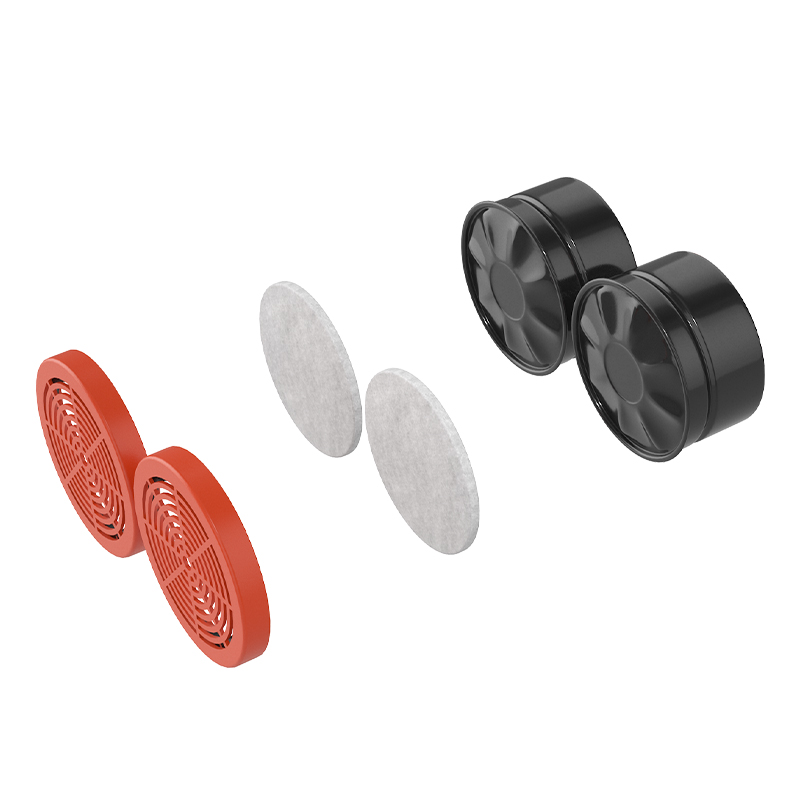
    Основні компоненти балончиків з протигазами значно різняться залежно від цілі захисту (серії A/B/E/K). По суті, «специфічні компоненти використовуються для врахування хімічних властивостей конкретних газів» — точність, яка є життєво важливою, коли ці балончики поєднуються з Респіратори з електроприводом для очищення повітря, що не може компенсувати невідповідність або неефективність фільтруючих матеріалів. Нижче наведено пояснення, що відповідає класифікації типів газу, згаданій раніше, з акцентом на релевантність до ПАПР:​1. Для серії A (органічні гази/пари, наприклад, бензол, бензин): активоване вугілля як ядро​Основний компонент: Активоване вугілля з високою питомою поверхнею (переважно вугілля з кокосової шкаралупи або вугілля на основі вугілля з пористістю понад 90%. Площа поверхні 1 грама активованого вугілля еквівалентна площі футбольного поля).Принцип роботи: Використовує «фізичну адсорбцію» активованого вугілля — молекули органічного газу адсорбуються в мікропорах активованого вугілля завдяки «силам Ван-дер-Ваальса» і не можуть потрапити в зону дихання з потоком повітря. Це робить його ідеальним для використання в Респіратори з очищенням повітря Papr використовується у фарбувальних роботах або роботах з розчинниками, де постійний вплив органічних парів вимагає надійної та тривалої адсорбції.Покращена оптимізація: для органічних газів з низькою температурою кипіння в серії A3 (наприклад, метану, пропану, які є надзвичайно леткими) використовується «просочене активоване вугілля» (з додаванням невеликої кількості речовин, таких як силікон) для підвищення адсорбційної здатності низькомолекулярних органічних газів, що критично важливо для респіратор з позитивним тиском для очищення повітря використовується на нафтопереробних заводах або заводах з переробки природного газу. 2. Для серії B (неорганічні гази/пари, наприклад, хлор, діоксид сірки): хімічні адсорбенти як основний компонент​Основний компонент: просочене активоване вугілля + оксиди металів (наприклад, сульфат міді, перманганат калію, гідроксид кальцію).Принцип роботи: Більшість неорганічних газів є сильно окислювальними або подразнювальними та потребують перетворення на нешкідливі речовини за допомогою «хімічних реакцій». Наприклад:​Хлор (Cl₂) реагує з гідроксидом кальцію, утворюючи хлорид кальцію (нешкідлива тверда речовина);Діоксид сірки (SO₂) окислюється до сульфату (фіксується у фільтруючому матеріалі після розчинення у воді) шляхом реакції з перманганатом калію.Така хімічна стабільність є обов'язковою умовою для респіраторів з примусовим очищенням повітря, що використовуються на хімічних заводах, де раптові сплески концентрації неорганічних газів вимагають швидкої та ефективної нейтралізації.​3. Для серії E (кислі гази/пари, наприклад, соляна кислота, фторид водню): лужні нейтралізатори​Основний компонент: гідроксид калію (KOH), гідроксид натрію (NaOH) або карбонат натрію (нанесений на активоване вугілля або інертні носії).Принцип роботи: Використовує «реакцію кислотно-лужної нейтралізації» для перетворення кислих газів у солі (нешкідливі та нелеткі). Наприклад:​Соляна кислота (HCl) реагує з гідроксидом калію з утворенням хлориду калію (KCl) та води;Фторид водню (HF) реагує з гідроксидом натрію, утворюючи фторид натрію (NaF, тверда речовина), запобігаючи його роз'їданню дихальних шляхів.Ця стійка до корозії формула є важливою для респіраторів з примусовим очищенням повітря, що використовуються в цехах травлення або виробництві напівпровідників, де кислотні пари становлять ризик як для здоров'я, так і для обладнання.​4. Для серії K (гази/пари аміаку та амінів, наприклад, аміак, метиламін): кислотні адсорбенти​Основний компонент: активоване вугілля, просочене фосфорною кислотою (H₃PO₄), або сульфат кальцію.Принцип роботи: Аміак та аміни є лужними газами та фіксуються шляхом «кислотно-лужної нейтралізації». Наприклад:Аміак (NH₃) реагує з фосфорною кислотою, утворюючи фосфат амонію ((NH₄)₃PO₄, тверда речовина);Метиламін (CH₃NH₂) реагує з сульфатом кальцію, утворюючи стабільні солі, які більше не випаровуються.Ця цілеспрямована нейтралізація є ключовою для респіраторів з примусовим очищенням повітря, що використовуються на заводах з виробництва добрив або в холодильних камерах, де витік аміаку є поширеною небезпекою.​III. «Логіка відповідності» між структурою та компонентами: чому балончики з протигазами не можна змішувати?​З вищезазначеного змісту видно, що «шарова структура» та «вибір компонентів» балончиків з протигазами повністю розроблені навколо «цілі захисту» — принципу, який є ще більш важливим у поєднанні з респіраторами з примусовим очищенням повітря, оскільки ці пристрої посилюють як ефективність правильних балончиків, так і ризики використання неправильних:​Якщо для захисту від кислотних газів серії E з респіраторами з електроочисткою повітря використовується балончик з протигазом серії A (з активованим вугіллям), кислотні гази безпосередньо проникнуть в активоване вугілля (реакція нейтралізації не відбувається), а безперервний потік повітря PAPR доставлятиме ці нефільтровані гази безпосередньо до користувача;Якщо балончик з протигазом серії K (кислотний адсорбент) піддається впливу хлору серії B (сильноокислювального) в респіраторах з примусовим очищенням повітря, можуть виникнути побічні реакції, і навіть можуть утворюватися токсичні речовини — речовини, які потім будуть циркулювати в зоні дихання.Це також перегукується з «золотим правилом вибору», згаданим раніше: балончики з протигазами відповідної серії необхідно вибирати відповідно до типу газу в робочому середовищі, щоб забезпечити, щоб конструкція та компоненти дійсно виконували свою роль, особливо при інтеграції з респіраторами з примусовим очищенням повітря.​Висновок​Контейнер для протигаза — це не «контейнер з одного матеріалу», а складна комбінація «шарової структури + цільових компонентів», розроблена для гармонійної роботи з респіраторами з енергоочисткою повітря. Зовнішня оболонка забезпечує герметичність потоку повітря PAPR, шар попередньої обробки фільтрує домішки для підтримки ефективності PAPR, а основний шар адсорбції/нейтралізації точно спрямовує певні гази, щоб підтримувати чистоту повітря, що подається PAPR. Зрештою, це досягає захисного ефекту «запобігання потраплянню шкідливих газів і забезпечення виходу чистого повітря». Розуміння цих деталей не лише допомагає нам більш науково обґрунтовано вибирати балончики для стандартних масок, але й є ще більш важливим для користувачів респіраторів з примусовим очищенням повітря, які покладаються на синергію балончика та PAPR для стабільного та надійного захисту. Це також дозволяє нам чіткіше оцінювати, «коли замінювати балончики» під час використання (наприклад, ефект захисту різко знизиться після насичення основного адсорбційного шару), додаючи «лінію захисту» для безпеки дихання, особливо для тих, хто залежить від респіраторів з примусовим очищенням повітря в середовищах з високим рівнем ризику. Якщо ви хочете дізнатися більше, будь ласка, натисніть www.newairsafety.com.
    ЧИТАТИ БІЛЬШЕ

залишити повідомлення

залишити повідомлення
Якщо ви зацікавлені в наших продуктах і хочете дізнатися більше, залиште повідомлення тут, і ми відповімо вам, як тільки зможемо.
подати
ЗВ'ЯЖІТЬСЯ З НАМИ: sales@txhyfh.com

додому

Продукти

WhatsApp

Зв'яжіться з нами