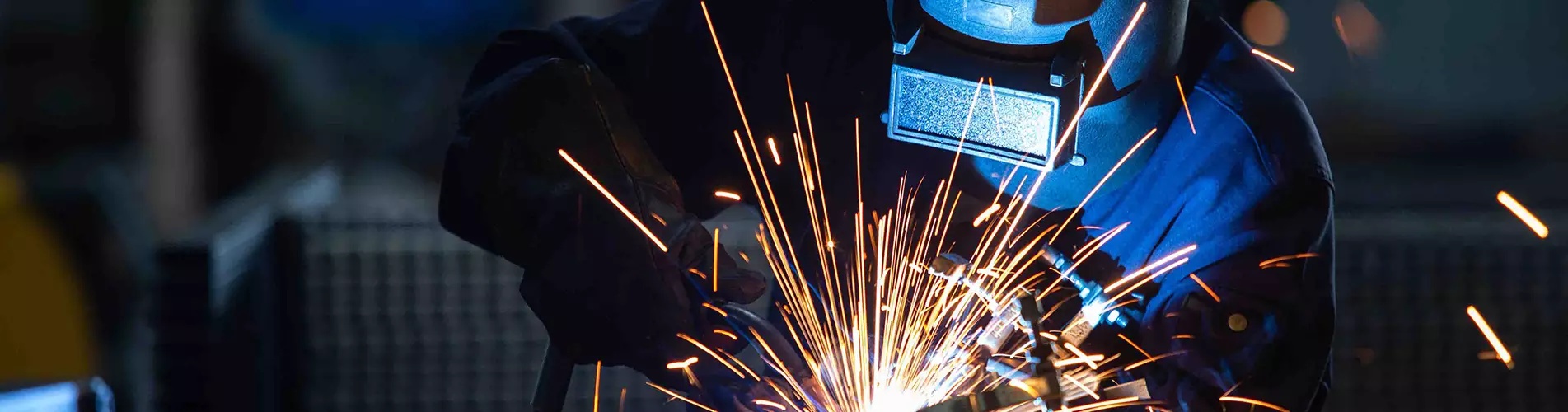
Демонтажні роботи пов'язані зі складними та мінливими умовами. Від руйнування стін старих будівель до демонтажу промислових об'єктів, забруднювачі, такі як пил, шкідливі гази та леткі органічні сполуки (ЛОС), є повсюдними, що створює надзвичайно високі вимоги до захисту органів дихання працівників. респіратор на батарейках стали основним захисним спорядженням під час демонтажних робіт завдяки своїм перевагам захисту від позитивного тиску та низького дихального навантаження. Однак не всі респіратори з негативним тиском (PAPR) підходять для всіх сценаріїв; вибір правильного типу є важливим для побудови надійної лінії захисту для безпеки дихання. Порівняно з традиційними респіраторами з негативним тиском, PAPR активно подають повітря через електричний вентилятор, що не тільки зменшує втому дихання під час високоінтенсивних операцій, але й запобігає витоку забруднюючих речовин через середовище позитивного тиску всередині маски, значно підвищуючи надійність захисту.
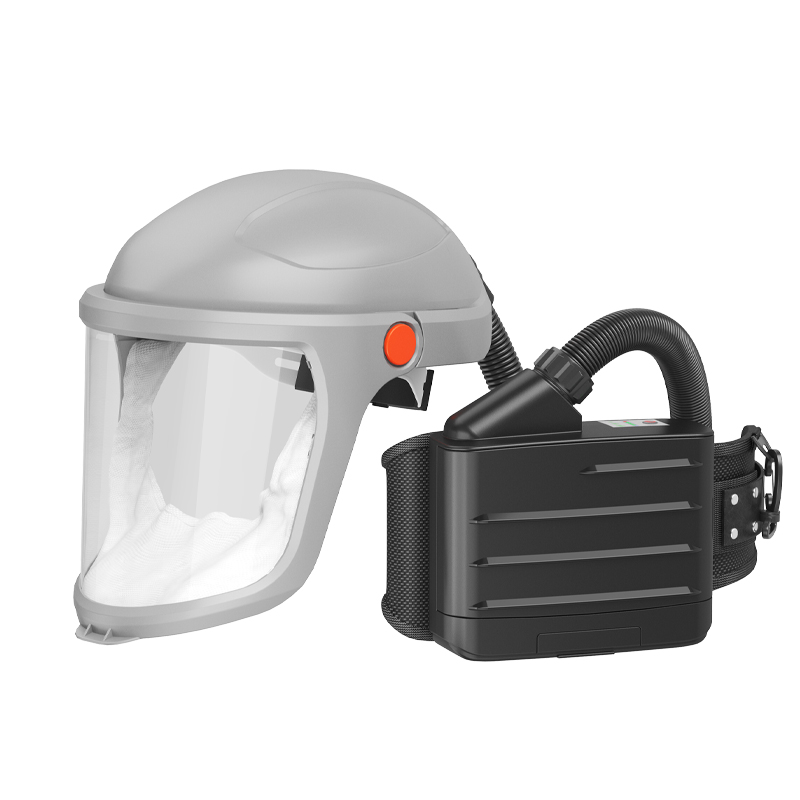
Для загальних робіт з демонтажу, що призводять до утворення пилу, перевагу надають PAPR з фільтрацією частинок. Такі операції зазвичай включають демонтаж бетону, кладки, дерева та інших компонентів, причому основним забруднювачем є пил, що вдихається, особливо дрібні частинки PM2.5. Тривале вдихання може легко спричинити пневмоконіоз. Вибираючи модель, слід використовувати високоефективні фільтри частинок, а маску можна вибрати залежно від потреб в експлуатаційній гнучкості. Для сценаріїв на відкритому повітрі, таких як звичайне руйнування стін та знесення підлоги, більше підходять PAPR з капюшоном та подачею повітря. Вони не потребують перевірки на прилягання до обличчя, забезпечують високу адаптивність, а також можуть забезпечити захист голови від ударів. Для вузьких робочих просторів з надзвичайно високою концентрацією пилу рекомендується використовувати щільно прилягаючі PAPR з повним покриттям, які мають мінімальну швидкість потоку повітря не менше 95 л/хв, утворюючи герметичне ущільнення на обличчі, запобігаючи просочуванню пилу через щілини.
Для демонтажних робіт, що включають шкідливі гази, потрібні комбіновані фільтруючі засоби PAPR. Під час знесення старих будівель леткі органічні сполуки, такі як формальдегід та бензол, викидаються з фарб та покриттів, тоді як демонтаж промислових об'єктів може призвести до виділення токсичних газів, таких як аміак та хлор. У таких випадках один фільтруючий засіб PAPR не може задовольнити потреби захисту. Слід використовувати подвійні фільтруючі елементи (частинки + газ/пара) з точним вибором на основі типів забруднювачів: фільтруючі картриджі з активованим вугіллям для органічних парів та фільтруючі елементи з хімічною адсорбцією для кислих газів. Для цих сценаріїв перевага надається щільно прилягаючим системам PAPR з позитивним тиском. У поєднанні з примусовою подачею повітря вони не тільки ефективно фільтрують шкідливі гази, але й зменшують залишки забруднювачів всередині маски завдяки безперервній подачі повітря, уникаючи при цьому ризику отруєння, спричиненого протіканням маски.
Спеціальні сценарії вимагають цілеспрямованого вибору спеціалізованих респіратори з вільним приляганням та очищувачем повітряДемонтаж компонентів, що містять азбест, є операцією з високим ризиком — після вдихання азбестові волокна викликають незворотне пошкодження легень. Слід використовувати респіратори PAPR, що відповідають стандартам захисту від азбесту, у поєднанні з високоефективними HEPA-фільтрами. Крім того, необхідно використовувати конструкції капюшонного типу, щоб уникнути витоку волокон через неправильне носіння щільно прилягаючих масок. Тим часом капюшон слід використовувати з хімічним захисним одягом для забезпечення повного захисту тіла. Для демонтажу в замкнутих просторах, таких як підвали та шахти труб, спочатку необхідно перевірити рівень кисню. Якщо концентрація кисню не менше 19% (середовище без IDLH), можна використовувати портативні респіратори PAPR з позитивним тиском із системами примусової вентиляції. Якщо існує ризик дефіциту кисню, замість PAPR слід використовувати респіратори з подачі повітря.
Вибір PAPR повинен збалансувати відповідність стандартам та експлуатаційну практичність. Коригування також слід вносити залежно від трудомісткості: більшість робіт з демонтажу мають помірну або високу інтенсивність, тому Респіратор з примусовим очищенням повітря TH3 ефективніше зменшують навантаження на дихання, запобігаючи зніманню захисного спорядження працівниками через втому. Термін служби батареї має відповідати тривалості роботи — для тривалої роботи на відкритому повітрі рекомендуються моделі зі змінними батареями для забезпечення безперебійного захисту. Крім того, фільтруючі елементи необхідно замінювати суворо за графіком: картриджі газового фільтра слід замінювати протягом 6 місяців після відкриття або негайно, якщо з’являються запахи чи збільшується опір, щоб уникнути збою захисту.
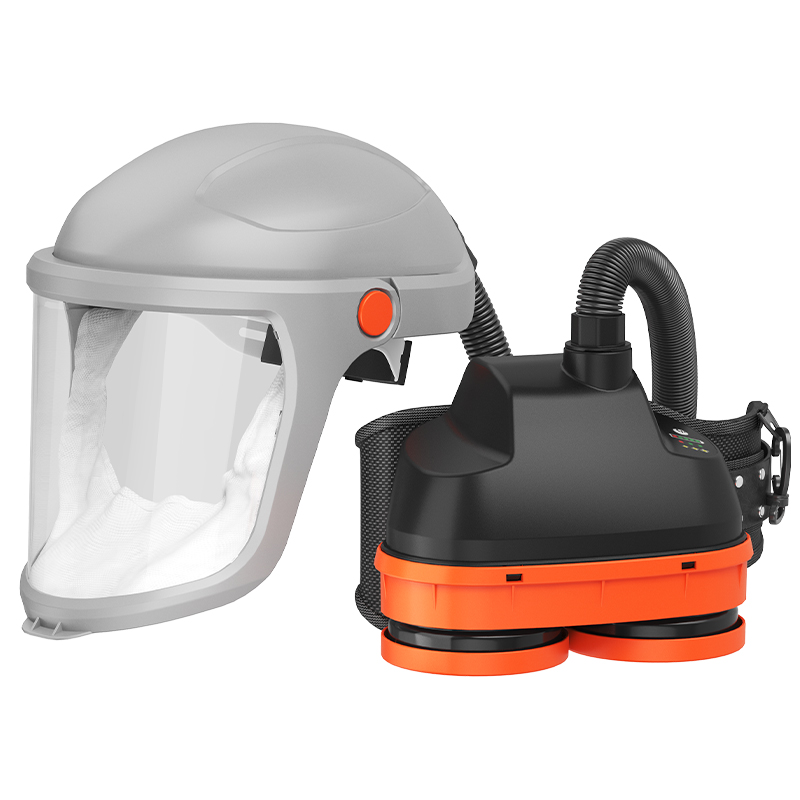
Зрештою, слід зазначити, що PAPR не є універсальним захисним засобом, і їх використання має ґрунтуватися на комплексній оцінці ризиків. Перед початком демонтажних робіт слід провести випробування на місці для визначення типів забруднювачів, концентрацій та характеристик навколишнього середовища, а потім вибрати відповідний тип PAPR для конкретного сценарію. Тільки правильно вибравши та використовуючи PAPR, ми можемо створити надійний бар'єр для здоров'я дихальних шляхів під час складних демонтажних робіт, збалансувавши операційну ефективність та захист безпеки. Якщо ви хочете дізнатися більше, будь ласка, натисніть www.newairsafety.com.




 Підтримується мережа IPv6