Feb 06, 2026
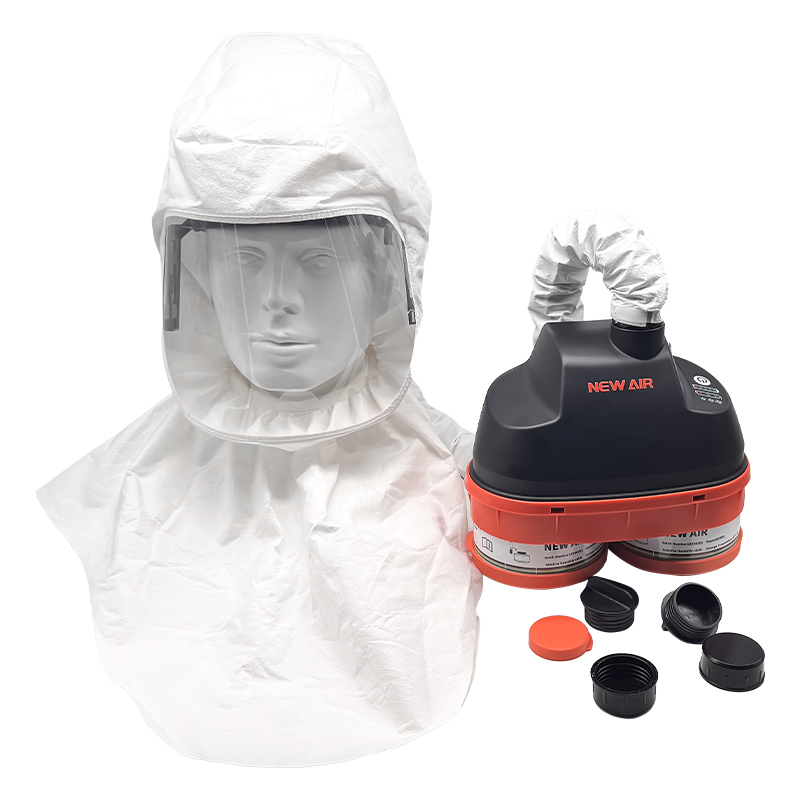
Якщо ви звикли використовувати фільтрувальний картридж A1 протягом 20-30 днів під час ручного дихання (3-4 години на день), але виявляєте, що він спрацьовує лише через 4 години Респіратор з електроприводом для очищення повітря (PAPR) BXH-3001, Ви не самотні. Цей поширений відгук порушує критичне питання: чому така разюча різниця в терміні служби фільтрів? Давайте розглянемо наукові аспекти цього питання, розглянемо першопричини та поділимося практичними рішеннями для оптимізації вашого досвіду використання PAPR. Основна причина: об'єм повітряного потоку змінює все Спочатку давайте уточнимо ключову різницю між ручним диханням та диханням з використанням PAPR: швидкість повітряного потоку. Під час ручного дихання доросла людина вдихає приблизно 10-15 літрів на хвилину (л/хв) у стані спокою та до 20-30 л/хв під час легкої або помірної роботи. За 3-4 години щоденного використання це приблизно становить 1800-3600 літрів повітря, що проходить через фільтр, що пояснює, чому ваш картридж A1 служить 20-30 днів. Натомість, BXH-3001 PAPR забезпечує постійний, потужний потік повітря: 170 л/хв на рівні 1 та 210 л/хв на рівні 2. Всього за 4 години фільтр переробляє 40 800 літрів (рівень 1) або 50 400 літрів (рівень 2) повітря—в 11-28 разів більше повітря ніж ручне дихання за той самий період! Фільтри A1 розроблені для адсорбції певних забруднюючих речовин (органічних парів з температурою кипіння вище 65°C, згідно зі стандартом EN 14387) з фіксованою продуктивністю. Під впливом експоненціально вищого потоку повітря адсорбуючий матеріал фільтра насичується набагато швидше, що запускає сигнал тривоги PAPR, щоб захистити вас від нефільтрованого повітря. Це не недолік — це механізм безпеки пристрою, який працює належним чином. Ключові фактори, що збільшують споживання фільтра Окрім потоку повітря, ще два фактори можуть скоротити термін служби вашого фільтра A1 з BXH-3001: Концентрація забруднюючих речовинЯкщо у вашому робочому просторі вищий рівень органічних парів (наприклад, розчинників, фарб або палива), фільтр насичуватиметься швидше, незалежно від потоку повітря. Ручне дихання може призвести до нижчих концентрацій через природну вентиляцію або зменшення надходження повітря, тоді як примусовий потік повітря PAPR втягує більше забруднюючих речовин.Сумісність фільтрівНе всі фільтри A1 розроблені для високопотокових респіраторів PAPR. Стандартні картриджі A1 для ручних респіраторів можуть не мати достатньої щільності адсорбенту або глибини шару, щоб витримувати 170-210 л/хв. Використання фільтра, не розрахованого на високий потік повітря, прискорює насичення. 4 практичних рішення для подовження терміну служби фільтра Якщо ви хочете поєднати чудовий захист BXH-3001 з довшим терміном служби фільтра, спробуйте виконати такі дії: 1. Вибирайте фільтри A1 з високою пропускною здатністю Оберіть фільтрувальні картриджі A1, спеціально розроблені для PAPR з потоком повітря до 250 л/хв. Ці фільтри мають товстіші адсорбуючі шари або вдосконалені матеріали (наприклад, активоване вугілля з більшою площею поверхні) для обробки збільшеного об'єму повітря без швидкого насичення. Шукайте сертифікати, такі як EN 14387:2004+A1:2010, щоб забезпечити сумісність. 2. Регулюйте рівень повітряного потоку залежно від робочого навантаження Стратегічно використовуйте 2-швидкісні налаштування BXH-3001: Рівень 1 (170 л/хв)Ідеально підходить для низького та помірного забруднення (наприклад, добре провітрювані робочі приміщення, незначне використання розчинників). Це зменшує потік повітря приблизно на 20% порівняно з рівнем 2, подовжуючи термін служби фільтра, зберігаючи при цьому мінімальні вимоги OSHA/ЄС щодо потоку повітря (≥160 л/хв для PAPR).Рівень 2 (210 л/хв)Зарезервуйте для роботи з високим рівнем забруднення або інтенсивної роботи (наприклад, у замкнутих просторах, під час інтенсивного фарбування). Використовуйте цей режим лише за необхідності, щоб уникнути непотрібного зносу фільтра. 3. Контролюйте рівень забруднюючих речовин та провітрюйте Використовуйте газоаналізатор для вимірювання концентрації органічних парів у вашому робочому просторі. Якщо рівні низькі, збільште природну або механічну вентиляцію, щоб зменшити навантаження на фільтр.Плануйте завдання, пов'язані з високим рівнем забруднення, на періоди кращої вентиляції (наприклад, ранкові години з відкритими вікнами), щоб мінімізувати насичення фільтрів. 4. Правильно зберігайте та обслуговуйте фільтри Зберігайте невикористані фільтри A1 у герметичному контейнері подалі від вологи, тепла та забруднюючих речовин — вплив цих речовин може скоротити термін їхньої служби до використання.Негайно замінюйте фільтри, коли спрацьовує сигнал тривоги PAPR, але також регулярно перевіряйте їх на наявність фізичних пошкоджень (наприклад, тріщин, засмічень), які можуть обмежувати потік повітря та хибно спрацьовувати. Суть: Безпека понад усе, ефективність понад усе Коротший термін служби фільтра BXH-3001 з картриджами A1 є компромісом на користь його основної переваги: постійний, фільтрований потік повітря, що усуває опір диханню та забезпечує максимальний захистНа відміну від ручних респіраторів, які покладаються на ємність ваших легень для протягування повітря через фільтр, PAPR забезпечує стабільне постачання чистого повітря, що є критично важливим для тривалих змін або напруженої роботи. Вибравши правильний фільтр, налаштувавши параметри потоку повітря та керуючи робочим середовищем, ви можете продовжити термін служби фільтра без шкоди для безпеки. Якщо термін служби фільтра все ще надзвичайно короткий, наша технічна команда може допомогти оцінити ваш конкретний випадок використання (наприклад, тип забруднювача, умови робочого місця) та запропонувати індивідуальні рішення.
ЧИТАТИ БІЛЬШЕ





 Підтримується мережа IPv6